
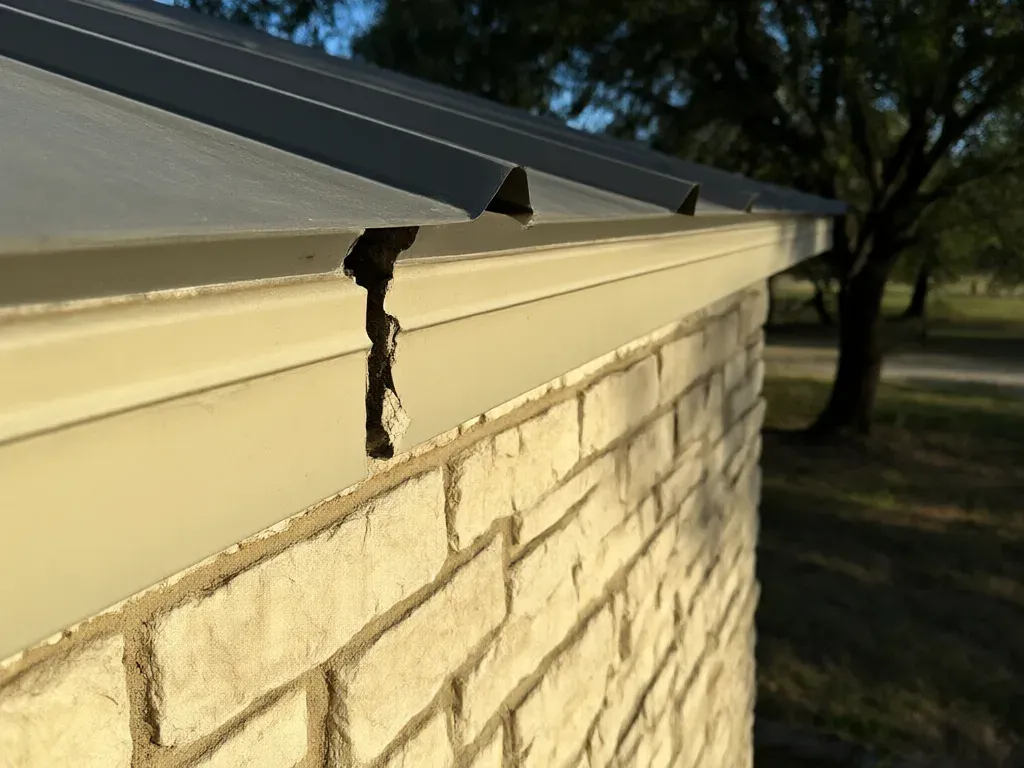
Foundation Crack Repair in New Braunfels, TX
New Braunfels Superior Foundation Repair offers professional foundation crack repair in New Braunfels, TX with 23 years of telling harmless cracks from structural ones. We inject slab and grade beam cracks with epoxy or polyurethane, repoint stair-step cracks in brick mortar, and patch corner pops on the slab. Crack injection runs $450 to $850 a crack and carries a 2-year no-leak warranty.
Most foundation cracks are a symptom, not the problem. If the slab is still moving, a filled crack just opens up again next to the patch. So we read the floors first, stop the movement with piers or drainage when it's needed, and then repair the crack so it stays closed.
Get a FREE Estimate
Or call (830) 221-9409
Foundation Crack Repair by Crack Type
Hairline Slab Shrinkage Cracks
Thin cracks in a slab, often spotted when flooring comes up, usually come from concrete shrinking as it cured. They don't mean the foundation has failed. We note them on the inspection and leave them alone unless they're widening or one side has shifted.
Structural Slab and Grade Beam Cracks
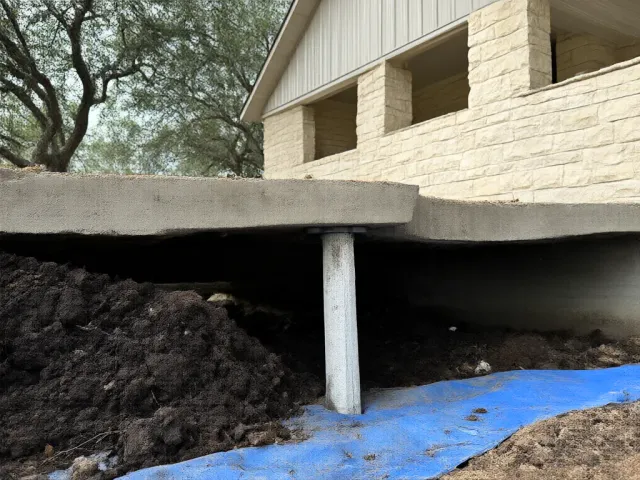
A crack that runs through the grade beam, has one side sitting higher than the other, or keeps getting wider is a different story. Once piers have stopped the movement, we inject it with structural epoxy to bond the concrete back together.
Stair-Step Cracks in Brick Veneer
Stair-step cracks follow the mortar joints and usually start at a window or door corner. They're a classic sign that the beam under them has dropped. After the lift, we rake out the cracked mortar and repoint with mortar matched to the old joint, at $350 to $1,100.
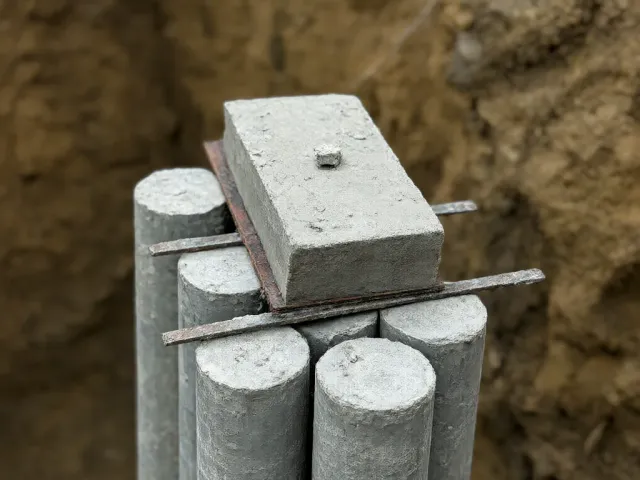
Corner Pops on the Slab
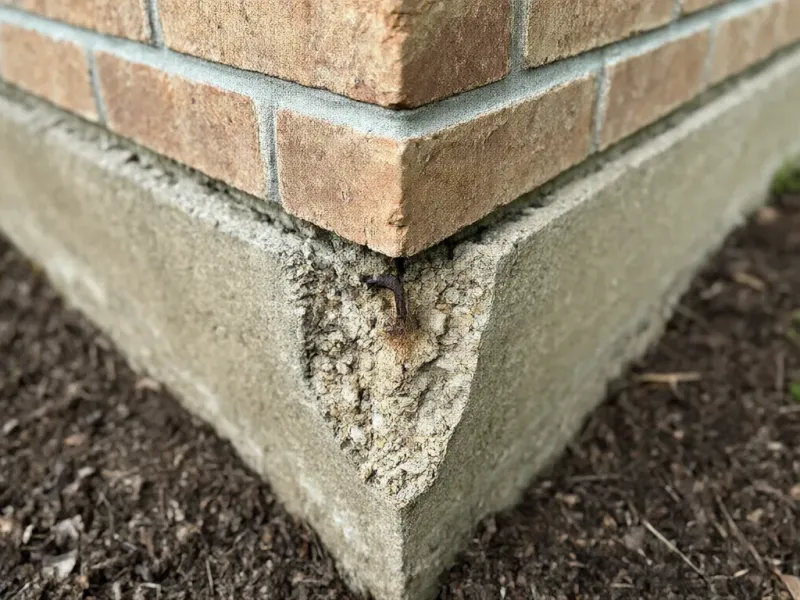
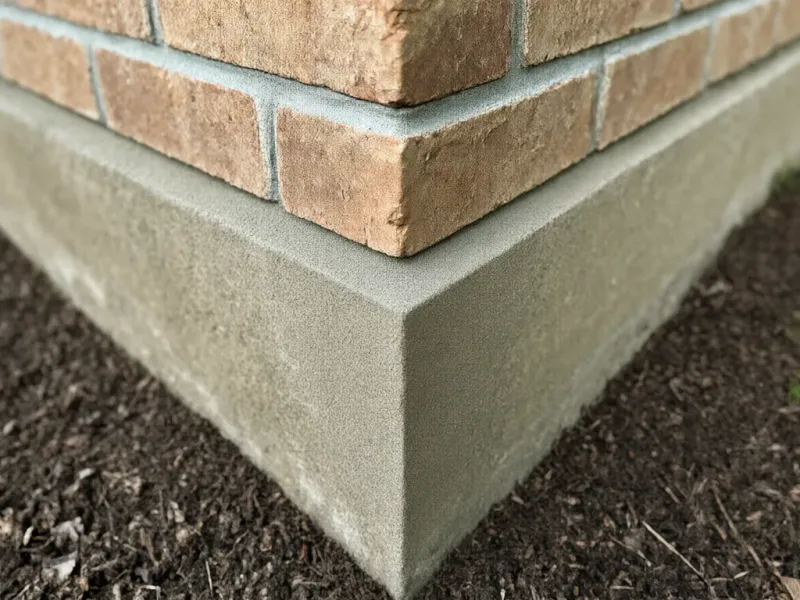
A triangular chip broken off a slab corner under the brick is common and usually cosmetic. It happens when the concrete corner can't move with the brick ledge above it. We patch them so water can't get into the steel.
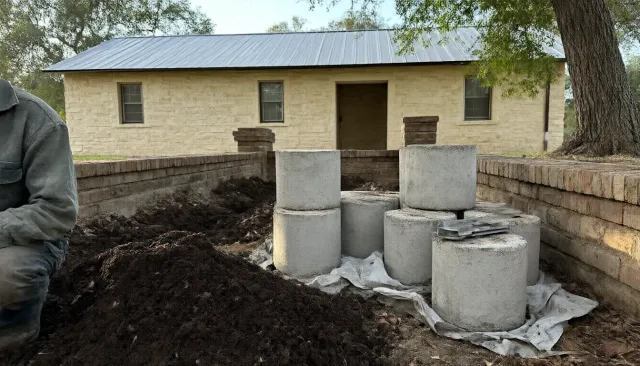
Leaking Cracks and Polyurethane Injection
Where water comes through a crack, such as a slab crack in a garage or a crack in a stem wall, flexible polyurethane injection seals it. It foams as it cures and stays sealed if the crack moves a little with the seasons.
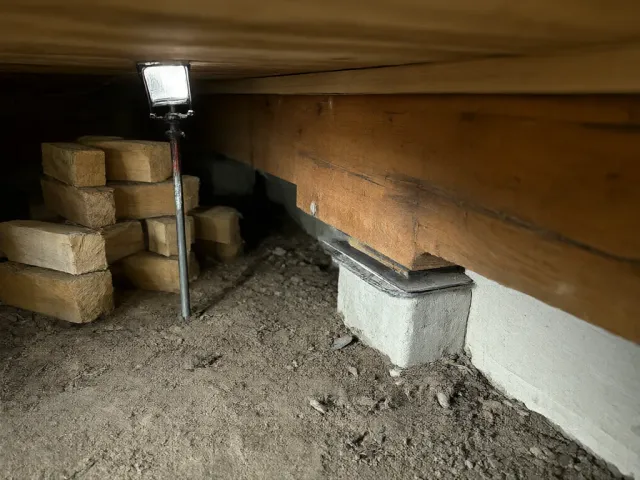
Interior Drywall and Tile Cracks
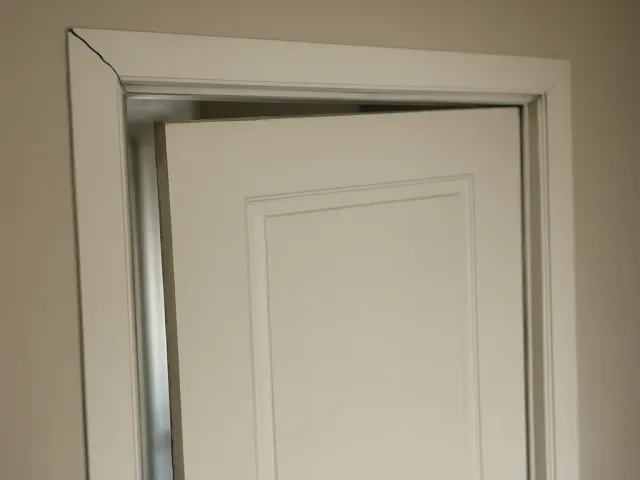
Drywall cracks over doors and tile cracking in a line across the floor are the inside version of the same story. We don't patch anything inside until the movement is stopped, and then we tell you which cracks will close on their own after a lift.
Before and After
Which Foundation Cracks Matter
Three things tell us whether a crack is serious: if it's getting wider, if one side has shifted against the other, and if it shows up alongside other signs like sticking doors or sloping floors.
A crack that's been the same size for years is usually old movement that's finished. A crack that grew since spring is current movement. Put a strip of tape across it with the date, or photograph it next to a ruler, and you'll know which kind you have.
Diagonal, Vertical and Horizontal Cracks
Diagonal cracks running from door and window corners usually mean one side of the wall dropped. Vertical cracks in a slab or in brick are often shrinkage. Horizontal cracks in a stem wall or block foundation point to soil pressure from outside and need a closer look.
Foundation Crack Repair Materials
Structural epoxy bonds concrete back together and, once cured, is as strong as the slab around it. It's the right choice for a crack that's dry and stable after the movement is stopped.
Polyurethane foams as it cures and stays flexible. It's the right choice for a crack that leaks or will see small seasonal movement. For brick, the fix is mortar, not caulk. Caulk in a mortar joint looks like a repair for about a year.
Fix the Movement Before the Crack
Filling a crack in a slab that's still moving hides the sign and leaves the cause in place. That's why every crack repair we quote starts with a free floor elevation survey.
If the readings show the house has stopped moving, crack repair may be all you need. If they show it's still moving, you'll get a plan for piers or drainage first, and the crack repair goes at the end of that job, after the lift.
Cracks After a Lift
A few new hairline cracks after a lift are normal while the framing settles onto its new height. We wait a few weeks, then come back to inject or repoint whatever didn't close. Doing that work once is cheaper than patching twice.
Cracks that were there before the lift often narrow on their own. Brick usually needs repointing anyway, because the old mortar has broken and won't close back up clean.
Cracks in Limestone and Older Masonry
Older limestone houses and stone foundation walls crack differently from brick veneer. The stones shift along their joints, and the original mortar is usually a soft lime mortar.
We repoint those with a soft mortar that's compatible with the old joint. Hard modern mortar in an old stone wall forces the stone to crack instead of the joint, and you can't patch a cracked stone back to how it was. On houses in the city's historic districts, we get the Certificate of Alteration before we start.
Stucco over block or stone is its own case. Hairline cracks in stucco are common and mostly cosmetic, but a crack running straight down from a window corner is worth a set of readings before anyone patches over it.
Not Sure About a Crack? We'll Read the Floors
Call (830) 221-9409 or send the form. Send a photo with a ruler next to the crack, and we'll tell you whether it needs a visit.