
Root Barrier Installation in New Braunfels, TX
New Braunfels Superior Foundation Repair offers professional root barrier installation in New Braunfels, TX with 23 years of keeping tree roots from drying out the clay under slabs. We trench 48 inches deep, 4 to 6 feet off the foundation, cut the roots cleanly and set a 60-mil HDPE root barrier between the tree and the house. Expect $30 to $48 per linear foot on most jobs.
A root barrier protects the foundation without taking the tree down. It works on its own when roots are the only problem, and alongside foundation piers when a corner has already dropped. Every barrier we install carries a 5-year workmanship warranty.
Get a FREE Estimate
Or call (830) 221-9409
Root Barrier Installation Options
HDPE Root Barrier Panels
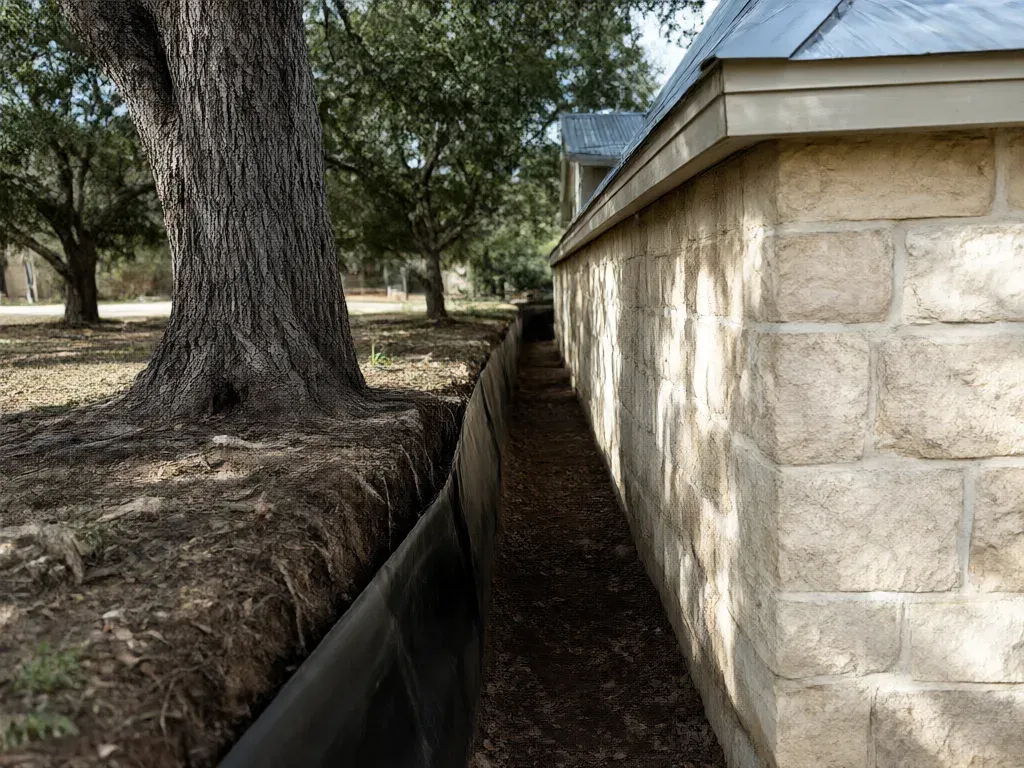
The standard fix. We dig a narrow trench between the tree and the house, cut the roots cleanly at the trench wall, and stand 60-mil high-density polyethylene sheet in the trench to 48 inches deep. Seams overlap, the top edge sits just above grade, and the trench gets backfilled and compacted.
Root Barrier With Foundation Piers
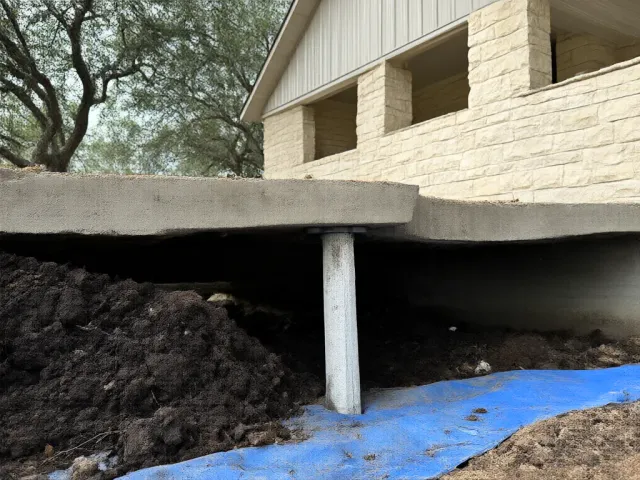
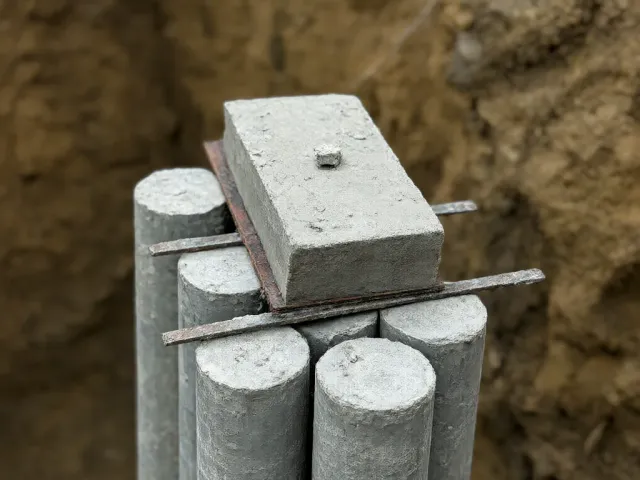
When a tree has already pulled a corner down, a barrier alone won't lift it back. We pier the dropped section with pressed concrete pilings first, then set the barrier so the roots can't dry out the clay under the new piers.
Root Barriers for New Plantings
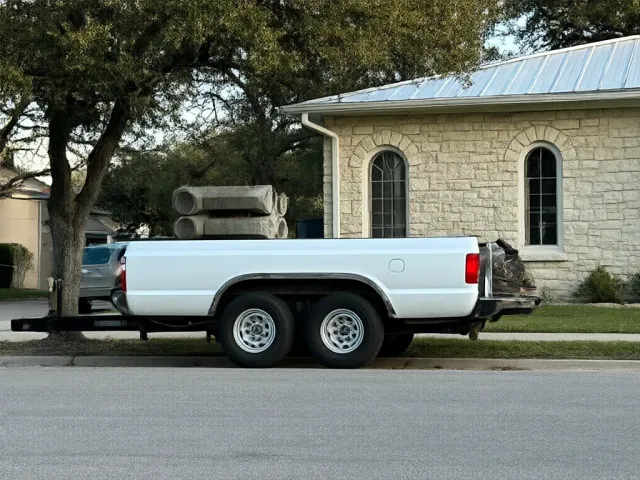
Planting a live oak or a pecan near the house? A barrier set before the roots arrive is cheaper, and easier on the tree, than one set after. We'll talk spacing with you before the hole gets dug.
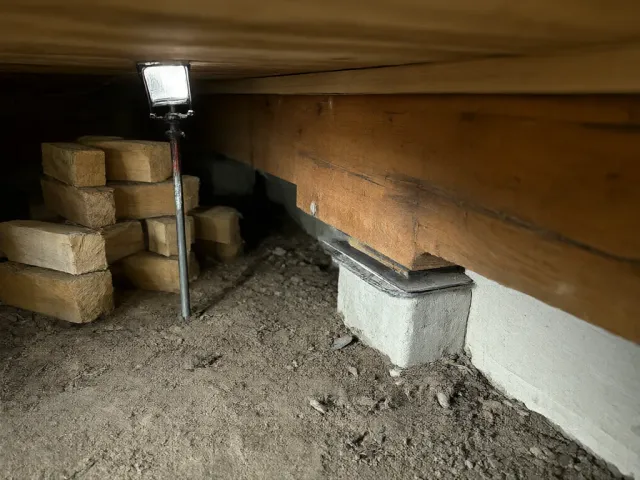
Root Barriers Around Pier and Beam Houses
Roots under a crawl space can lift and tilt pier pads as they grow, and dry out the soil under others. A barrier along the side facing the tree keeps new roots out from under the house.
Root Barriers on Tight Lots
On narrow lots the tree is often on the neighbour's side of the fence. We set the barrier on your side of the line and keep the trench clear of fence posts, irrigation and buried utilities.
Trees That Cause the Most Foundation Trouble
Big, thirsty trees close to the house cause most of it. Around here that usually means live oaks, pecans, cedar elms and hackberries. Their roots spread well past the drip line and pull water hard in a dry summer.
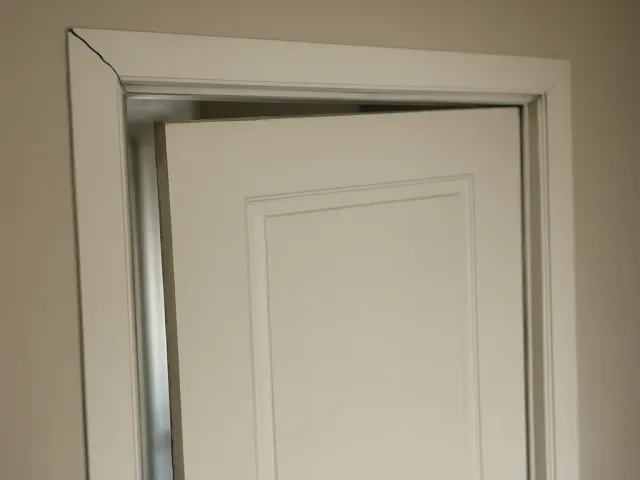
On clay, that water loss shrinks the soil under the side of the slab nearest the tree. The result looks like settlement: a dropped corner, a crack running up from a window, doors that stick on that side of the house. Where limestone sits close to the surface, there's less clay to shrink, and the problem is usually smaller.
What Changes Once the Barrier Is In
With the barrier in, the clay under that side of the slab stops losing water to the tree. Over the next wet season, the soil there usually recovers some of its moisture. A corner that has already dropped won't come back up on its own, though, so we read the floors before and after.
Root Barrier Specs and Placement
Depth is what makes a root barrier work. Most of the roots that dry out a foundation live in the top few feet of soil, so we set barriers 48 inches deep. A shallow barrier just teaches roots to dive under it.
We place the barrier 4 to 6 feet off the slab, between the tree and the house, and run it far enough past the tree on each side that roots can't simply go around the ends. The barrier itself is 60-mil HDPE, which roots can't punch through.
How Long the Barrier Run Needs to Be
A rule of thumb: the barrier should run past the edge of the tree's canopy on both ends, along the side of the house. A big live oak can need a long run. We measure it on the inspection and price it by the foot so you can see the number before we dig.
What Root Barrier Installation Costs
Most root barrier jobs run $30 to $48 a linear foot, trenched, cut, set and backfilled. The price moves with the length of the run, how many big roots we hit, and whether we're digging through rock or around sprinkler lines.
If the corner has already dropped, piers are priced separately, and pressed concrete pilings run $375 to $475 a pier outside the house. We'll show you both numbers side by side, along with the order we'd do the work in.
Saving the Tree While Protecting the Slab
A healthy, established tree usually handles having roots cut on one side. We cut cleanly with a saw at the trench wall instead of tearing roots with a bucket, and clean cuts recover better.
For very large or stressed trees, we recommend having a certified arborist look before we trench. Taking a big tree out right next to a house can cause its own trouble too: the clay that tree was keeping dry can swell back and heave the slab.
When a Root Barrier Isn't Enough
If the readings show the corner nearest the tree has already dropped well past the rest of the house, a barrier stops it getting worse but won't bring it back up. That's when piers come in.
We check drainage on every root barrier job too. A tree and a missing downspout on the same corner is a common pair, and fixing only one of them leaves half the problem behind.
During a drought, a soaker or drip line 12 to 18 inches out from the slab helps as well. It keeps the clay on the protected side evenly damp while the tree takes its water from the far side of the barrier.
Worried About a Tree Near Your Slab?
Call (830) 221-9409 or send the form. We'll read the floors near the tree for free and tell you whether a barrier, piers or nothing at all is the right call.