
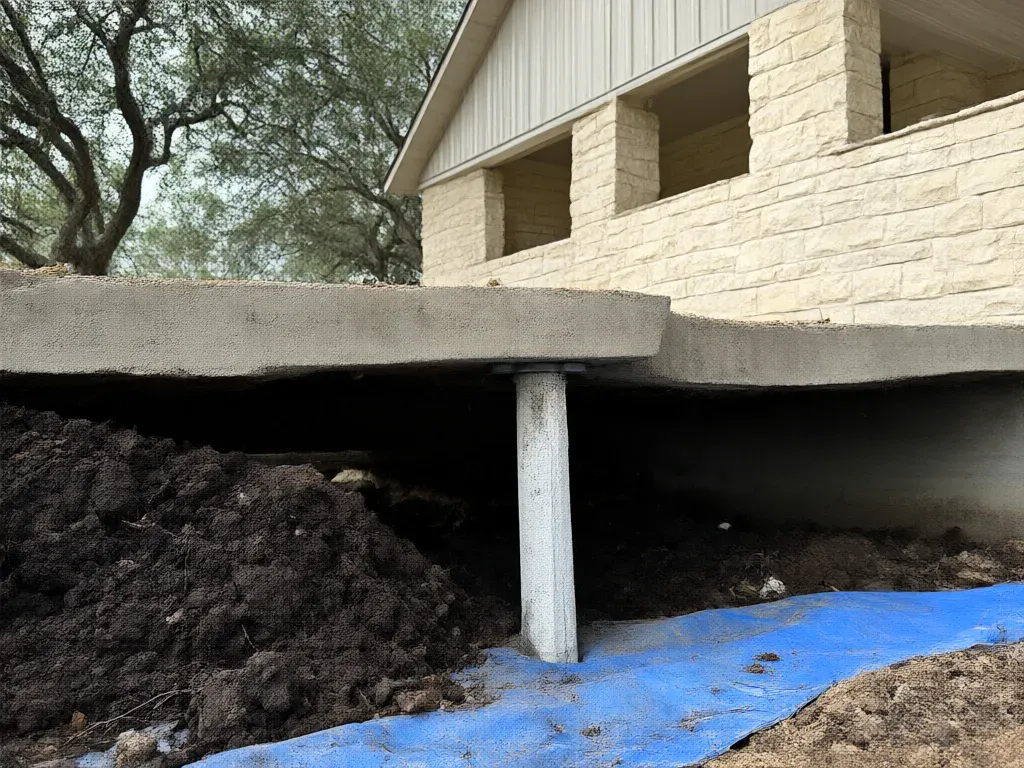
Slab Foundation Repair in New Braunfels, TX
New Braunfels Superior Foundation Repair offers professional slab foundation repair in New Braunfels, TX with 23 years of pressing piers under concrete slabs. We repair settled slabs, cracked grade beams and post-tension slabs with pressed concrete pilings, drilled bell-bottom piers and steel push piers. Exterior pilings go in 6 to 8 feet apart along the beam and get pressed to refusal before we lift a thing.
Slab repair isn't only piers around the outside. When the readings show the middle of the house dropping, we add interior piers through a breakout or a tunnel, and a licensed plumber runs a static test on the drains before and after the lift. Every pier carries a lifetime warranty that transfers to the next owner when you sell.
Get a FREE Estimate
Or call (830) 221-9409
Slab Foundation Repair Methods
Most slab jobs use one method. Some use two. The readings and the soil under the beam decide which.
Pressed Concrete Pilings Under the Grade Beam
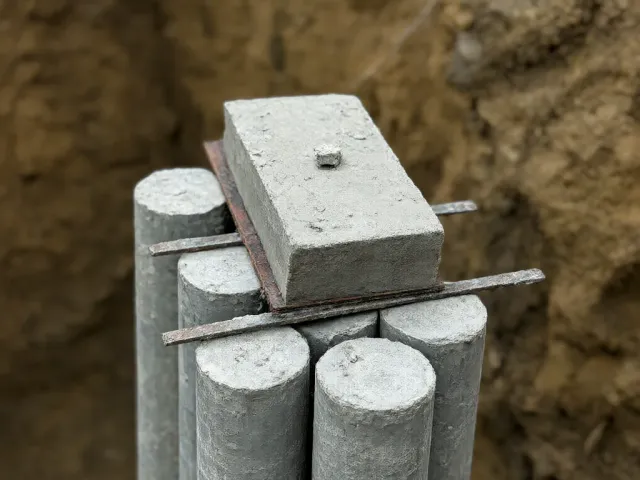
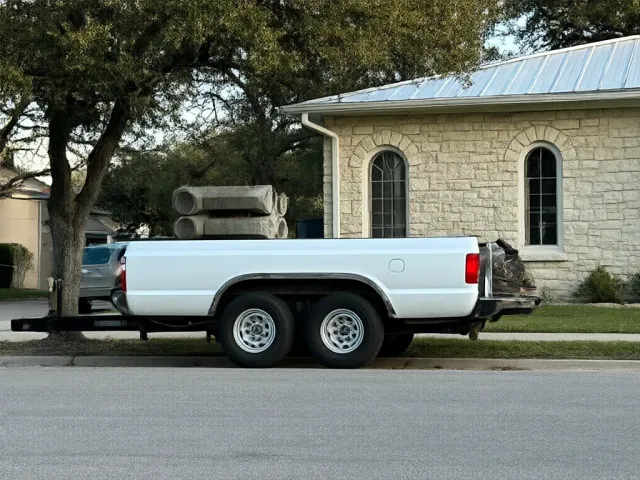
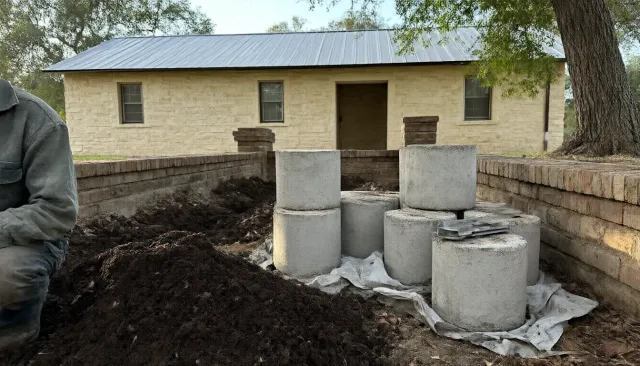
This is the method on most slab homes we repair. We dig beside the grade beam, stack 6 by 12-inch precast cylinders and press them down with a hydraulic ram until they stop moving. A concrete cap block and steel shims go on top, and the beam sits on that. Pressed pilings run $375 to $475 a pier.
Drilled Bell-Bottom Piers for Heavy Slabs
Two-story brick homes and slabs carrying stone veneer put more weight on each pier. We drill a 12-inch shaft 10 to 12 feet deep or into rock, bell the bottom out to 24 to 30 inches, and pour 3,000 PSI concrete around a half-inch rebar cage. After a 7-day cure we set the beam. They run $950 to $1,450 a pier.
Steel Push Piers Where the Clay Runs Deep
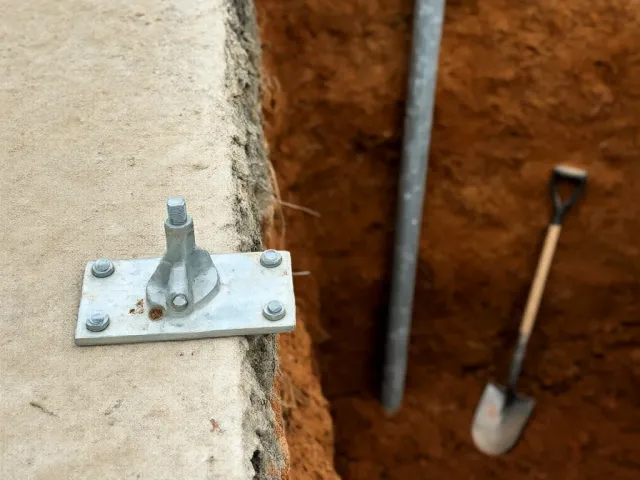
When the engineer wants a measured load, or the clay goes deeper than a pressed piling will reliably reach, we drive 2-7/8-inch galvanized steel piers using the weight of the house. Each one goes to load-bearing strata and we record the drive pressure. They cost $1,350 to $2,100 a pier.
Interior Slab Piers Through a Breakout or Tunnel
If the low spot is in the hallway, the fix has to be there too. We either cut a small section of slab, set the piling and patch it, or tunnel under from outside so your finished floors stay put. Interior piers run $650 to $950 each, including backfill and the patch.
Post-Tension Slab Repair
Post-tension slabs carry steel tendons stressed to about 33,000 pounds each. We locate them before a saw touches the concrete, keep every breakout clear of them, and pier the beam the same way we would a conventional slab. A cut tendon turns a pier job into a much bigger repair.
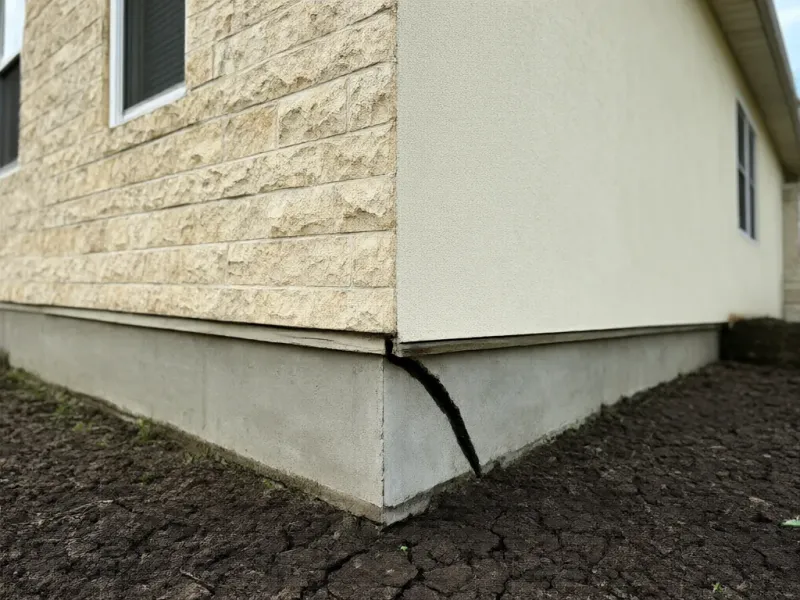
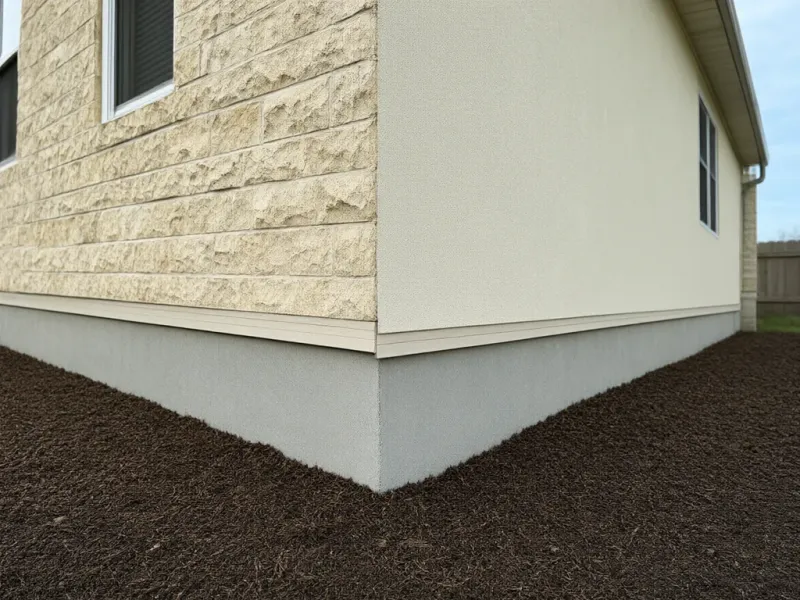
Before and After
Signs Your Slab Foundation Needs Repair
Cracks get people to call. The readings tell us whether those cracks mean anything. When a slab has really moved, a few signs usually show up together.
Inside the House
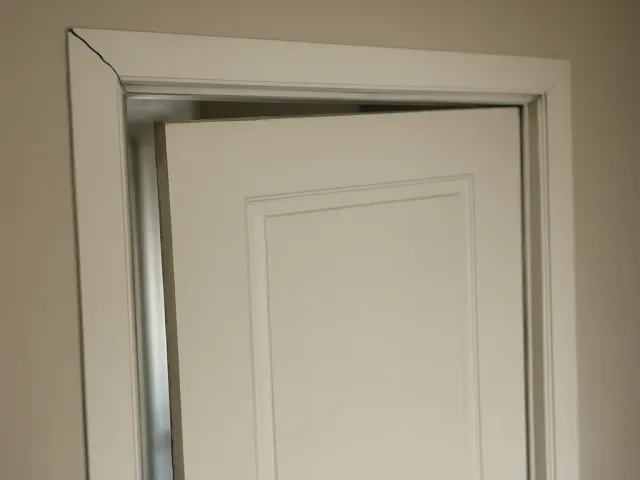
Doors that stick or won't latch, especially ones that change with the season. Wedge-shaped gaps above door frames. Drywall cracks running up from the corners of doors and windows. Floor tile cracking in a straight line, and cabinets or countertops pulling away from the wall.
Outside the House
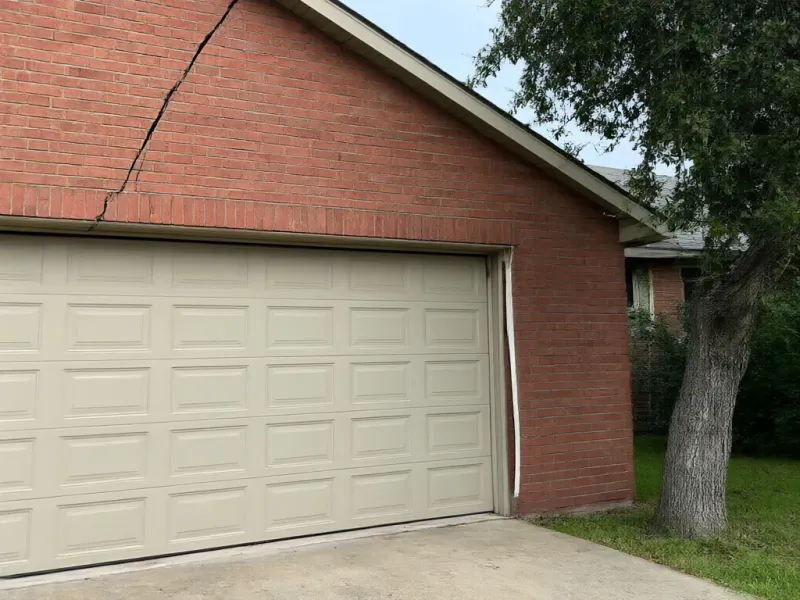
Stair-step cracks in the brick mortar, a gap opening between the brick and a window frame, or a corner of the grade beam that has cracked off. Look along the bottom of the slab too. A dark gap where the soil has pulled away from the beam in August is the clay telling you it's dry.
What's Under the Slab Decides the Repair
New Braunfels is two towns as far as a slab is concerned. On the east side, Branyon clay runs deep and swells and shrinks hard with the seasons. Pilings there usually press 10 to 18 feet before they stop.
On the west side, limestone can be 1 to 3 feet down. The slab often sits on fill a builder pushed in to level the lot, and it's the fill that settles. Piers there go through the fill to the rock, and they're usually shorter and quicker to set.
That's why we won't quote a slab job over the phone. Two houses with the same square footage can need completely different piers. Pricing by the square foot ignores the one thing that matters, which is what's under the beam.
Why Homeowners Call Us for Slab Foundation Repair
We've repaired 3,050+ foundations since 2003, and most of them were slabs. The method hasn't changed much because it works: readings first, an independent engineer on the plan, a plumbing test before and after, and a per-pier estimate in writing.
We also tell you when you don't need us. If your readings sit within about an inch and the cracks aren't growing, we'll point you to the downspouts and a soaker hose instead of a pier map. Call us back if the numbers change.
Our Slab Foundation Repair Process
Read the slab
We take manometer readings in every room, mark the high and low spots on a sketch, and check the beam, brick and drainage outside.
Plan the piers
We draw a pier map, exterior and interior, and an independent engineer reviews it. You get a per-pier estimate good for 30 days.
Permit and the first plumbing test
We pull the city permit, locate utilities and any post-tension tendons, and a licensed plumber runs a static test on the drains.
Dig and press
Crews dig beside the beam, press each piling to refusal and set a cap block and steel shims. Most jobs take 1 to 3 days.
Lift and shim
We lift in stages with jacks under the beam while the manometer reads each room, then lock the height in with steel shims.
Test, letter, backfill
The plumber tests again, the engineer signs the post-repair letter, and we backfill, compact and clean up.
Slab Foundation Repair FAQs
How many piers does a slab repair need?
It depends on how much of the house moved. A single dropped corner might need a handful. Most whole-side or whole-house slab jobs here use 10 to 20 piers and land between $4,800 and $13,500.
Can you repair a slab without tearing up my floors?
Usually, yes. Exterior piers don't touch the inside at all. When we need interior piers, we can often tunnel in from outside instead of cutting through finished floors, and we'll tell you which method we plan to use before you sign.
Will lifting my slab close the cracks?
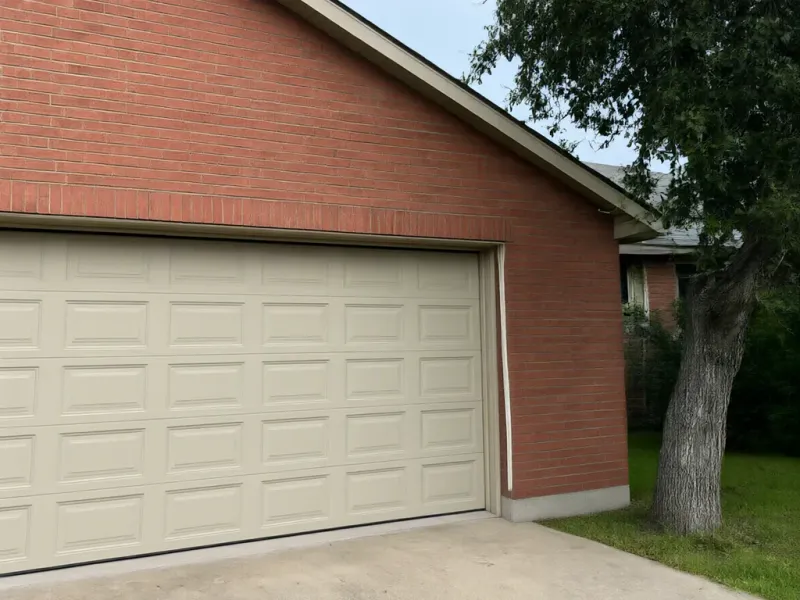
Some will close or narrow, especially drywall cracks over doors. Brick cracks rarely close all the way, so we repoint them after the lift. Tile that has already cracked stays cracked.
Do I need a plumbing test before slab repair?
We won't lift a slab without one. A licensed plumber tests the drain lines before and after, for $275 to $425, so everyone knows whether a leak was there before the lift or showed up after it.
Does homeowners insurance cover slab foundation repair?
Usually not when clay movement or settlement is the cause. It can be covered when a plumbing leak caused the damage, which is one more reason the static test matters. Read your policy and talk to your agent before you file.
Get Your Slab Read for Free
Call (830) 221-9409 or send the form. We'll read every room, show you the high and low spots, and price every pier in writing.